
Rising Energy Costs in Metal Manufacturing: How Induction Heating Cuts Energy Use by Up to 40%
January 28, 2026
In recent years, energy prices have continued to rise worldwide, placing unprecedented pressure on metal manufacturing enterprises. For factories engaged in forging, heat treatment, welding, hardening, and thermal processing, energy costs have become one of the largest components of total operating expenses.
In many plants, energy expenditure already accounts for 20% to 35% of total production costs. In some energy-intensive operations, this figure is even higher. Under such circumstances, improving energy efficiency is no longer an optional optimization—it has become a critical survival strategy.
Against this background, induction heating is rapidly gaining recognition as one of the most effective solutions for reducing industrial energy consumption. Many manufacturers have achieved energy savings of up to 40% or more after upgrading from traditional heating methods.
This article analyzes in depth why energy costs are rising in the metal manufacturing industry, how induction heating works, and how factories can use this technology to significantly reduce operating expenses while improving productivity and quality.
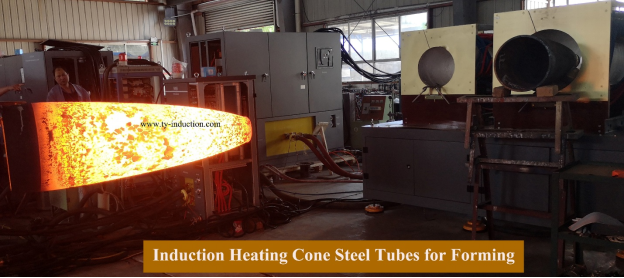
Before exploring solutions, it is important to understand the structural causes behind increasing energy consumption and costs.
Global fluctuations in oil, natural gas, and electricity markets have led to:
· Frequent price adjustments
· Higher long-term average costs
· Unstable budgeting for manufacturers
Energy-intensive industries are particularly vulnerable to these fluctuations.
Many metal manufacturers have expanded production to meet growing market demand. However, higher output often leads to:
· Increased furnace operating time
· Extended heating cycles
· Greater overall energy consumption
Without efficiency improvements, expansion directly increases cost pressure.
A significant number of factories still rely on:
· Coal-fired furnaces
· Gas furnaces
· Resistance heating furnaces
· Oil-fired systems
These systems typically operate at low energy efficiency and generate substantial waste heat.
Environmental compliance often requires:
· Exhaust gas treatment
· Ventilation systems
· Emission control equipment
These auxiliary systems further increase energy usage.
Old heating systems require:
· Manual operation
· Frequent maintenance
· Refractory replacement
· Burner calibration
These indirect costs compound overall energy-related expenses.
Conventional heating technologies are fundamentally inefficient in modern manufacturing environments.
Gas and resistance furnaces heat the surrounding air and furnace structure first, then transfer heat to the workpiece.
This causes:
· Long heating times
· Large thermal losses
· Low conversion efficiency
Only a portion of consumed energy is used for effective metal heating.
Traditional furnaces continuously lose heat through:
· Furnace walls
· Chimneys
· Doors and openings
· Ventilation systems
Even when idle, they often consume energy to maintain temperature.
Temperature fluctuations and uneven heat distribution lead to:
· Reheating requirements
· Rework
· Increased scrap
Each defective batch represents wasted energy.
Manual loading and unloading prolong heating cycles and reduce overall system utilization.
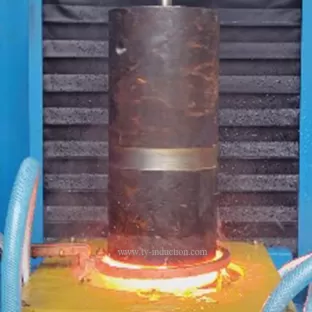
Induction heating is a non-contact heating method based on electromagnetic induction.
When alternating current flows through an induction coil, it generates a rapidly changing magnetic field. This field induces eddy currents inside conductive materials. The electrical resistance of the metal converts these currents into heat.
Unlike traditional furnaces, induction heating generates heat directly inside the workpiece rather than in the surrounding environment.
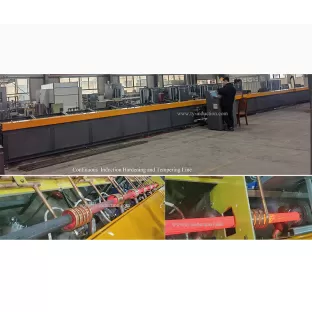
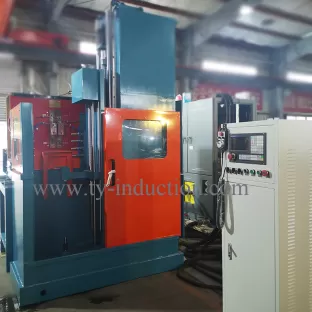
A modern Induction Heating System typically includes:
· High-frequency power supply
· Induction coils
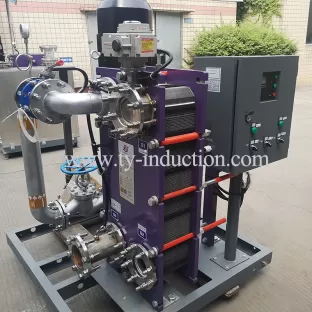
· Water cooling system
· Digital control unit
· Automation interface
This configuration enables highly efficient and precise thermal processing.
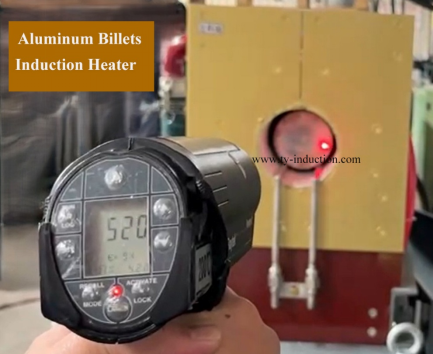
Induction heating converts electrical energy directly into thermal energy inside the metal.
Efficiency comparison:
· Induction heating: 80%–95%
· Resistance furnace: 50%–65%
· Gas furnace: 30%–50%
This fundamental efficiency advantage is the main source of energy savings.
Traditional furnaces continuously heat:
· Refractory materials
· Furnace frames
· Structural components
Induction systems do not require large heated chambers, eliminating this unnecessary energy consumption.
Induction heating can raise metal temperature within seconds.
Benefits include:
· Shorter heating time
· Reduced standby losses
· Lower idle consumption
Faster cycles mean less energy is wasted on non-productive heating.
Unlike furnaces that require hours of preheating, induction systems can be switched on and off instantly.
This allows factories to:
· Match energy use with production schedules
· Avoid overnight standby losses
· Reduce weekend energy waste
Induction heating can focus energy only on required areas.
Examples:
· Hardening only cutting edges
· Heating forging zones
· Brazing joint areas
This prevents unnecessary heating of the entire workpiece, further reducing energy consumption.
Precise temperature control minimizes defects such as:
· Overheating
· Soft spots
· Distortion
Lower defect rates translate into lower cumulative energy usage.
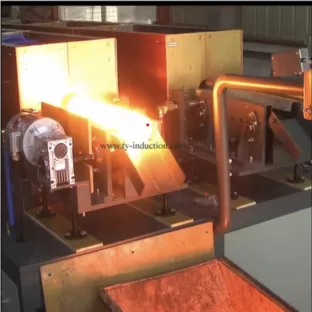
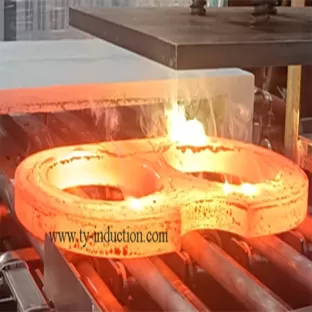
Induction billet heating provides:
· Uniform core temperature
· Minimal oxidation
· Rapid heating
Energy savings of 30%–45% are common in forging operations.
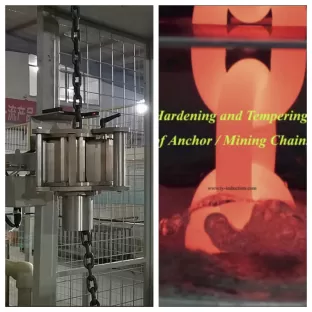
Induction hardening eliminates the need to heat entire furnaces, reducing energy consumption while improving surface quality.
Induction brazing heats only the joint area, consuming far less energy than traditional flame brazing.
Localized heating for assembly processes reduces overall thermal input and shortens operation time.
Lower electricity consumption leads to:
· Reduced utility bills
· Improved profit margins
· More predictable budgets
For medium-sized factories, annual savings can reach hundreds of thousands of dollars.
Most induction heating upgrades achieve ROI within:
· 12–36 months
· Sometimes less in high-volume production
Energy savings are the primary driver of payback.
Lower production costs allow manufacturers to:
· Offer more competitive pricing
· Win larger contracts
· Protect margins in price-sensitive markets
As carbon taxes and emission fees increase, energy-efficient systems help minimize environmental expenses.
Stable heating improves:
· Hardness consistency
· Microstructure uniformity
· Mechanical performance
Better quality reduces hidden energy waste.
Faster heating cycles increase throughput without increasing energy consumption.
No combustion means:
· No exhaust gases
· Lower ventilation requirements
· Reduced cooling demand
This indirectly saves energy.
Digital induction systems integrate easily with MES and ERP platforms, enabling data-driven energy management.
Equipment must match:
· Workpiece size
· Material type
· Production volume
· Heating requirements
Oversized or undersized systems reduce efficiency.
Customized coils ensure:
· Maximum coupling efficiency
· Minimal electromagnetic loss
· Uniform heating
Professional coil engineering is essential.
Heating curves, power levels, and timing should be optimized through testing and simulation.
Stable power supply and efficient cooling systems are necessary to maintain peak performance.
Well-trained staff can fully utilize system capabilities and avoid energy waste.
Factories that reduce energy consumption through induction heating gain long-term advantages:
· Stronger resistance to energy price volatility
· Improved sustainability image
· Higher compliance readiness
· Greater investment attractiveness
Energy efficiency is becoming a core indicator of manufacturing competitiveness.
Future induction heating systems will increasingly incorporate:
· AI-based power optimization
· Real-time energy monitoring
· Predictive maintenance
· Cloud-based analytics
These technologies will further improve efficiency and cost control.
Manufacturers that adopt induction heating early will be better positioned for the next phase of intelligent, low-carbon production.
Rising energy costs are a structural challenge that will continue to affect the metal manufacturing industry. Relying on traditional heating methods exposes factories to escalating expenses and declining competitiveness.
By adopting modern induction heating technology, manufacturers can:
· Reduce energy consumption by up to 40%
· Improve production efficiency
· Enhance product quality
· Lower environmental impact
· Strengthen long-term profitability
In an era where energy efficiency directly determines market survival, induction heating is no longer a technical upgrade—it is a strategic investment in sustainable growth.
TY INDUCTION is committed to helping metal manufacturers build high-efficiency, reliable, and cost-optimized heating solutions that reduce energy consumption, improve productivity, and support long-term global competitiveness.
Hot Products
Contact Us
Enquiry hotline:
+86 135 4128 7190
Email:
Address:
Unit 1, Building 7, No. 1700, North Section of Tianfu Avenue, High-tech Zone, Chengdu, China